%2Ffit-in%2F250x250%2Fguide_websites%2F57119%2Fimages%2F1764814074574117160814_215367563201573_4054720132568339012_n.jpg&w=1920&q=100)
/users/c23476cb-14ee-4981-a12f-29edf40170c3/ratecard/youngboy-mstbkrcx.jpg)
%2F300x300%2Fusers%2Fc23476cb-14ee-4981-a12f-29edf40170c3%2Fratecard%2Fyoungboy-mstbkrcx.jpg&w=256&q=75)
%2F300x300%2Fusers%2Fc23476cb-14ee-4981-a12f-29edf40170c3%2Fimages%2Fsouthern-flounder-catch-nyc-shore-7648.png&w=256&q=75)
%2F300x300%2Fusers%2Fc23476cb-14ee-4981-a12f-29edf40170c3%2Fimages%2Focean-fishing-nyc-boat-adventure-7716.png&w=256&q=75)
%2F300x300%2Fusers%2Fc23476cb-14ee-4981-a12f-29edf40170c3%2Fimages%2Focean-fishing-new-york-city-3770.png&w=256&q=75)
%2F300x300%2Fusers%2Fc23476cb-14ee-4981-a12f-29edf40170c3%2Fimages%2Fnyc-fishing-boat-adventure-3886.png&w=256&q=75)
%2F300x300%2Fusers%2Fc23476cb-14ee-4981-a12f-29edf40170c3%2Fimages%2Fflatfish-catch-nyc-waters-8787.png&w=256&q=75)
%2F300x300%2Fusers%2Fc23476cb-14ee-4981-a12f-29edf40170c3%2Fimages%2Fflatfish-catch-nyc-fishing-boat-3159.png&w=256&q=75)
%2F300x300%2Fusers%2Fc23476cb-14ee-4981-a12f-29edf40170c3%2Fimages%2Ffishing-white-boat-nyc-waters-7863.png&w=256&q=75)
%2F300x300%2Fusers%2Fc23476cb-14ee-4981-a12f-29edf40170c3%2Fimages%2Ffishing-boat-nyc-waters-ready-8502.png&w=256&q=75)
%2F300x300%2Fusers%2Fc23476cb-14ee-4981-a12f-29edf40170c3%2Fimages%2Ffishing-boat-nyc-catch-success-10605.png&w=256&q=75)
%2F300x300%2Fusers%2Fc23476cb-14ee-4981-a12f-29edf40170c3%2Fimages%2Ffishing-boat-catch-nyc-waters-7531.png&w=256&q=75)
Weekday Evening Inshore Fishing Adventures
 New York City, NY
What you will be catching:
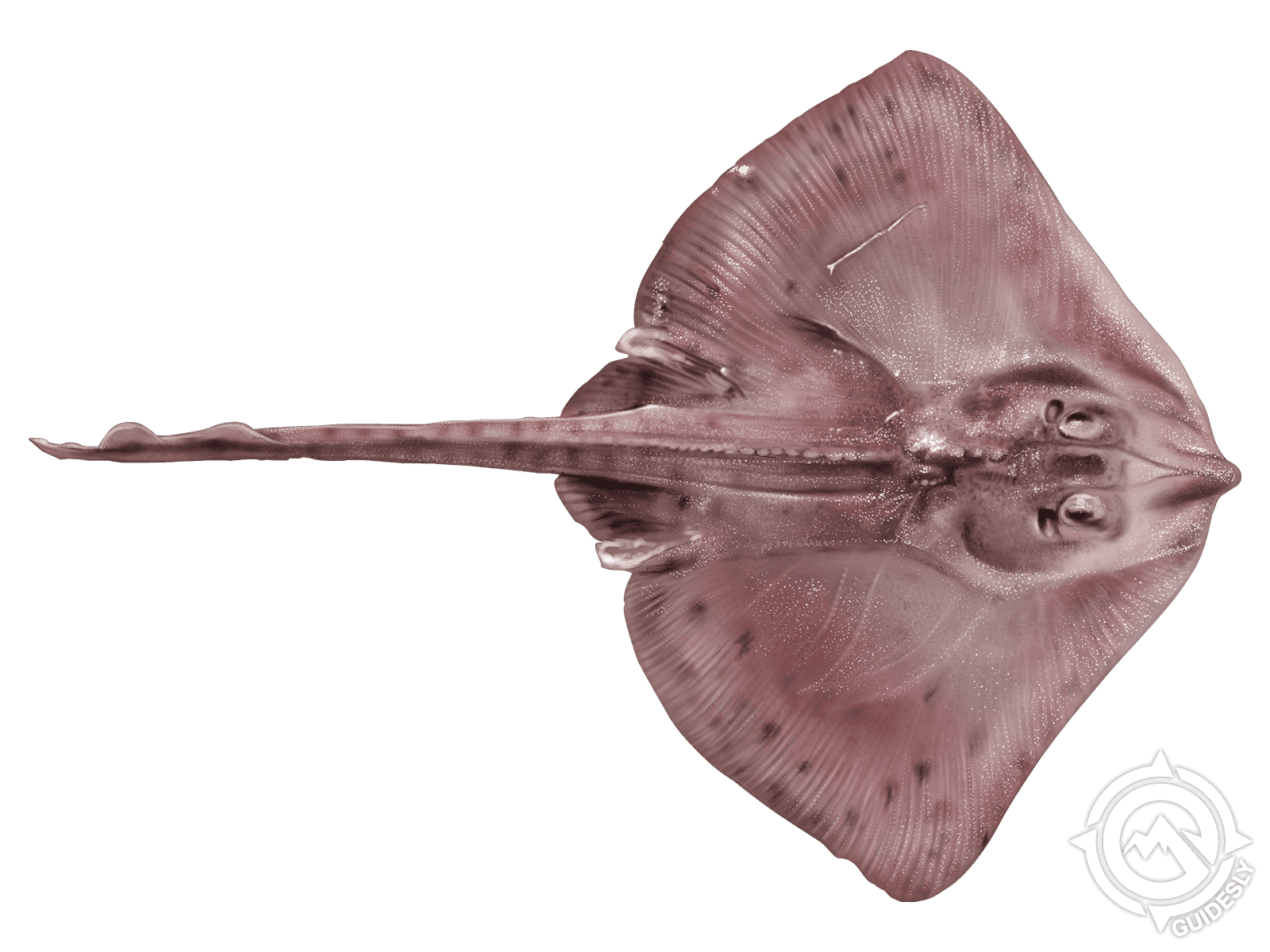
 Barndoor Skate
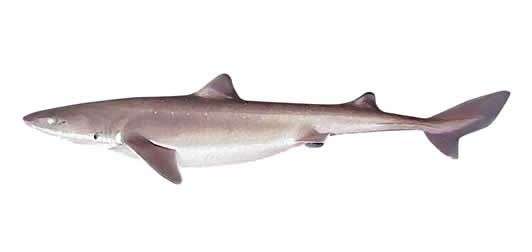
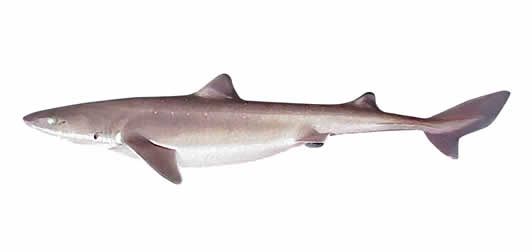 Picked Dogfish
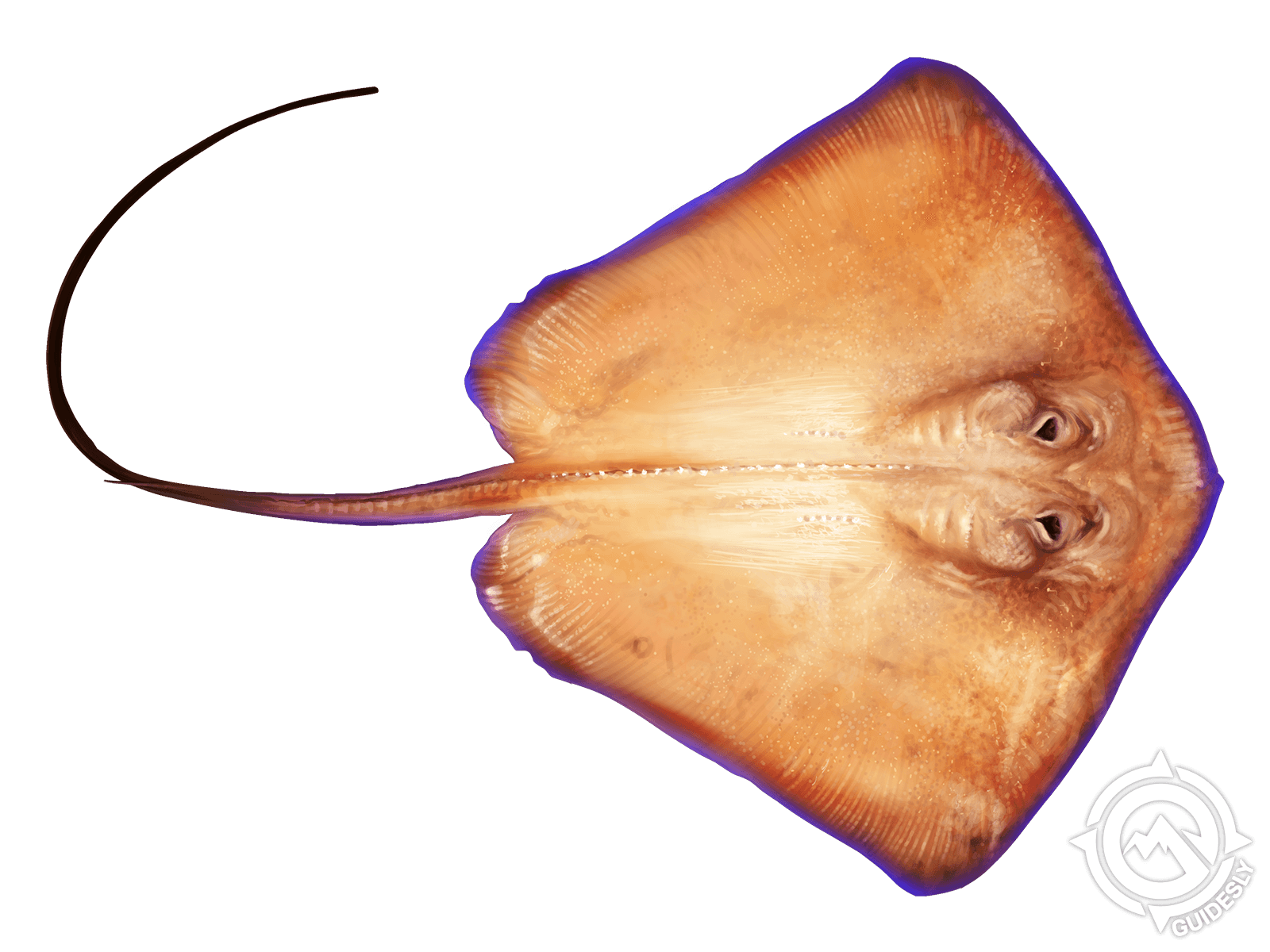
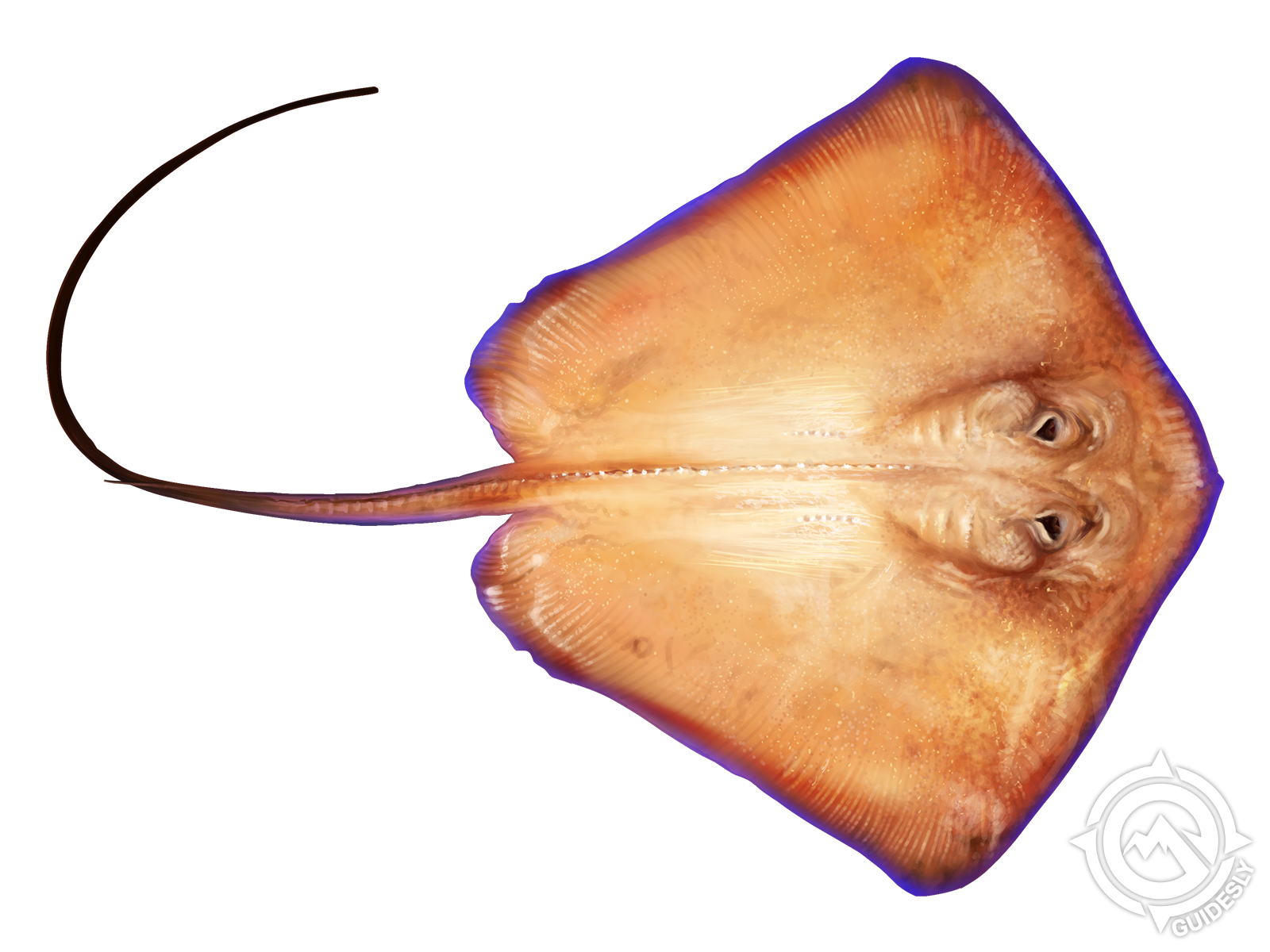 Southern Stingray
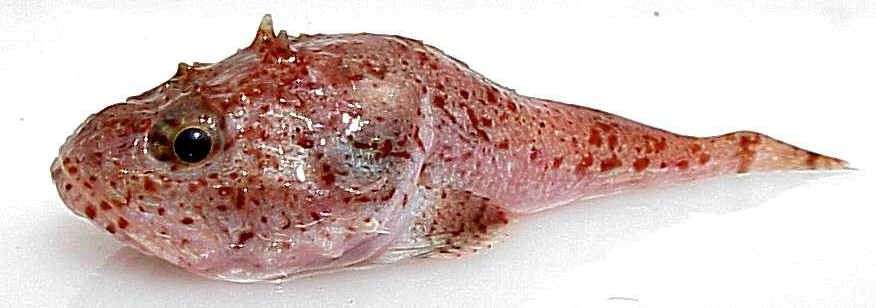
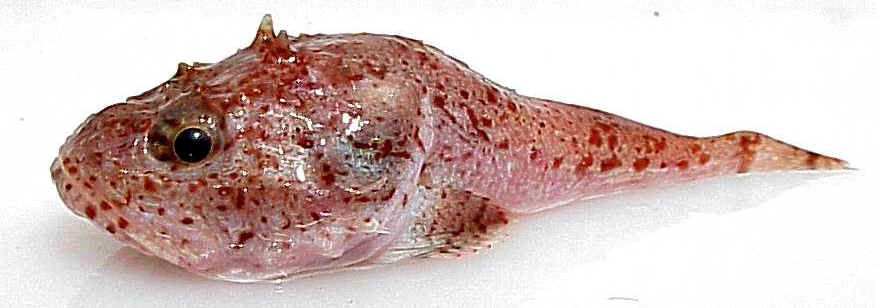 Spinyhead Sculpin
 Summer Flounder
- Professional inshore fishing charter targeting seasonal species
- Intimate small group experience limited to four guests maximum
- Convenient weekday evening scheduling for after-work excursions
Trip Pricing and Availabilities:
Weekday Evening Inshore Fishing Adventures
There's something special about hitting the water after a long workday, and our weekday evening trips with Rockaway Fishing Charters deliver exactly that kind of relief. These local inshore fishing adventures are perfect for anglers who want to squeeze in some quality time on the water without giving up their entire weekend. With just four spots available, you're getting an intimate fishing experience where everyone gets plenty of rod time and personal attention from our experienced captain.
What to Expect on the Water
Our weekday evening trips run during the prime feeding hours when inshore species are most active. We typically head out in the late afternoon, giving you three to four solid hours of fishing time as the sun starts to set. The smaller group size means you're not fighting for space at the rail, and our captain can focus on putting everyone on fish rather than managing a crowded boat. These trips target whatever's biting best during the current season, so you're always fishing for the most active species in local waters. The evening bite can be absolutely phenomenal - fish that were sluggish during the heat of the day suddenly come alive as temperatures cool and baitfish start moving.
Tackle and Techniques
We provide all the gear you'll need, from rods and reels to terminal tackle and bait. Our setup varies depending on what we're targeting, but expect to use medium to heavy spinning gear for most species. We'll be working with both live and cut bait - squid, clams, and whatever fresh bait is working best that week. Bottom fishing is our bread and butter on these trips, though we might throw some bucktails or soft plastics when the situation calls for it. The captain will show you the right techniques for each species, from proper hook sets to fighting techniques that'll help you land more fish. Don't worry if you're new to inshore fishing - these evening trips are perfect for learning the ropes in a relaxed setting.
Target Species
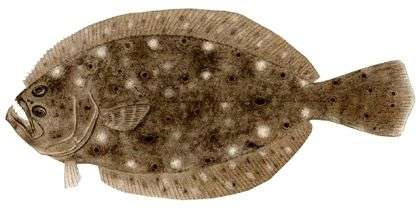
Summer Flounder are the crown jewel of our inshore fishery, and these flatfish provide some of the best eating you'll find in local waters. Fluke are ambush predators that bury themselves in sand and mud, waiting for baitfish to swim overhead. They're most active during moving tides, especially in the evening when smaller fish venture into shallow water to feed. A keeper-sized fluke puts up a decent fight and makes for fantastic table fare - their mild, flaky white meat is perfect for everything from fish tacos to beer batter. Peak season runs from late spring through early fall, with the biggest fish often caught during evening hours.
Southern Stingrays might not be what you're targeting, but they're always a fun surprise when they grab your bait. These smooth-bodied rays can grow quite large and provide an surprisingly strong fight on appropriate tackle. They're bottom dwellers that feed on clams, worms, and small crustaceans, so they'll often take the same baits we're using for other species. While you can't keep them, rays are fascinating creatures to observe up close before release. They're most active during warmer months and tend to feed more aggressively in the evening hours.
Spinyhead Sculpin are small but scrappy fighters that often show up when we're fishing near structure. These bottom-dwelling fish have oversized heads and mouths, making them look almost comical. They're voracious feeders that will attack baits much larger than what seems reasonable for their size. While they're not huge, sculpins are excellent bait for larger predatory fish, and some anglers actually prefer them to more traditional baits. They're year-round residents in our waters but become more active as water temperatures cool in the evening.
Picked Dogfish are small sharks that travel in schools and can provide non-stop action when you find them. These fish rarely exceed three feet but fight harder than their size suggests. Dogfish are opportunistic feeders that will take cut bait, live bait, and even artificial lures. While they're not great eating, they're fun to catch and perfect for anglers who want to experience catching their first shark. They're most common during cooler months and often feed aggressively during evening hours. The key with dogfish is finding the school - where there's one, there are usually dozens more.
Barndoor Skate are the gentle giants of our local skate population, sometimes reaching impressive sizes that can really test your tackle. These large, flat fish are bottom dwellers that feed on crabs, worms, and small fish. When a big skate takes your bait, you'll know it - they use their broad, flat bodies to create incredible resistance as they try to stay glued to the bottom. While not kept for the table, barndoor skates are incredible to see up close. They're most active during cooler months and often feed heavily in the evening as they search for crabs and other prey items moving in shallow water.
Time to Book Your Spot
These weekday evening trips book up faster than you'd expect, especially during peak season. With only four spots available, you're getting a top-rated fishing experience that's more personal than your typical charter boat trip. Whether you're looking to unwind after work, introduce someone to inshore fishing, or just want to catch some fresh dinner, these evening adventures deliver. The combination of prime fishing time, small group size, and experienced guidance makes this a customer favorite among locals and visitors alike. Don't wait too long to reserve your spot - the evening bite is calling, and the fish are waiting.
Learn more about the species
Barndoor Skate
The largest skate in the northwest Atlantic, these bottom-dwellers can reach 5 feet long and 40 pounds, though most run 2-3 feet. They're brownish-red with dark spots and a distinctive dark line from snout to tail. You'll find them on soft sandy, muddy, or rocky bottoms in depths under 500 feet, moving closer to shore in cold weather and offshore when it warms up. They're strong fighters that use their flat bodies like underwater kites - once hooked, they'll test your drag system hard. What makes them special is their size and power, plus they're making a comeback after being nearly wiped out. The key is heavy saltwater gear with good drag - use a 12/0 hook on a pulley rig. They eat anything, but whole mackerel, herring strips, or crabs work best. Keep your bait on the bottom with plenty of weight, and when you hook up, apply steady pressure. They'll either break you off or give you a memorable fight.
Picked Dogfish
These small sharks are scrappy fighters that pack more punch than their size suggests. Most males run 31-39 inches while females get bigger at 39-63 inches, and they can live an impressive 35-54 years. They're bottom-dwellers found in 160-490 feet, preferring cooler waters around 54-59°F. October is peak season when they move through in schools, and that's when you'll often hook into several on the same trip. What makes them interesting is that fierce fighting spirit - they'll arch their backs and use those dorsal spines (which have mild venom) to defend themselves. They're not picky eaters, hitting sardines, perch, herring, or even ghost shrimp readily. You'll need 10-20 pound line since they fight hard for their size. The meat is actually quite good eating. Pro tip: they travel in schools, so when you find one, keep fishing the same spot. Use a Carolina rig and don't worry about wire leaders - their teeth aren't that sharp.
Southern Stingray
These diamond-shaped rays cruise sandy flats and muddy bottoms, using their "wings" to glide gracefully along the seafloor. Females grow much larger than males - up to 5 feet across and 50 pounds, while males top out around 26 inches. They're surprisingly patient with people and have that famous venomous barb, but they're not aggressive unless stepped on. You'll find them in shallow bays, around piers, and near river mouths where they hunt crabs and small fish by fanning away sand. They're active year-round in warmer months. What draws anglers is the unique challenge - they're powerful fighters that use their flat bodies like an underwater parachute. The key is patience: use live pinfish on heavy tackle (150-lb braid), let them take the bait, then reel slowly and steadily. Don't yank hard or you'll lose them, and always shuffle your feet when wading!
Spinyhead Sculpin
This spiny bottom-dweller might look rough with all those thorns, but don't let that fool you - they're excellent table fare and surprisingly good fighters for their size. Most run around 17 inches, though the biggest on record hit 28 inches and 3.5 pounds. They hang out in rocky crevices and sandy bottoms, usually 50 feet down or deeper, ambushing crabs, shrimp, and small fish. October tends to be when we see the most activity from these guys. What makes them fun is they're aggressive biters that aren't picky about bait, but they've got big mouths that can surprise you. The meat is sweet and works great for tacos or fillets once you trim those spines. Here's the trick: use squid or crab on a 4/0 hook with enough weight to get down, then barely move your bait. When you hook up, reel steadily - if you go too fast, they'll spin and throw the hook.
Summer Flounder
These "chameleons of the sea" are masters of disguise, lying flat on sandy bottoms with both eyes on their left side. Most run 15-20 inches, but the bigger females can hit 26 pounds and live up to 17 years. They're ambush predators that change color to match the bottom, making them tricky to spot until your bait disappears. Fall months from September through November are prime time when they're most active and easier to locate. What makes them special is their unique fight - they don't jump but pull hard and use that flat body like a kite underwater. The meat is excellent eating too. Pro tip: use a circle hook with live minnows or sea worms, and hook larger baitfish through the lips. Keep your bait moving just slightly on the bottom - they bite sideways and need time to turn the bait around.