%2Ffit-in%2F250x250%2Fguide_websites%2F57119%2Fimages%2F1764814074574117160814_215367563201573_4054720132568339012_n.jpg&w=1920&q=100)
Dusky Smooth-Hound Shark Caught in NYC Waters
Shark Fishing in New York City - What to Expect
%2F%2Fusers%2Fc23476cb-14ee-4981-a12f-29edf40170c3%2Fimages%2Fnyc-dusky-smooth-hound-catch-2623.jpg&w=1920&q=75)
Fishing Charter by Captain Tom Lacognata in July
%2F%2Ffit-in%2F320x320%2Fnull&w=1920&q=100)
%2F%2Ffit-in%2F150x150%2Fnull&w=256&q=95)
- New York City Inshore & Light Tackle Fishing


Summary
Join a fishing charter in New York City on a Sunday in July for an action-packed day targeting sharks and other species. Captain Tom Lacognata of Rockaway Fishing Charters delivers an unforgettable experience on NYC waters, where the dusky smooth-hound shark brings serious excitement to every cast.
Fishing Charter with Captain Tom Lacognata - Rates & Booking
Captain Tom Lacognata of Rockaway Fishing Charters operates out of New York City on Sunday, July 27th, delivering thrilling fishing charters for anglers ready to tangle with sharks and premium species. This fishing charter puts you directly on productive NYC waters where the action happens fast and the catches run serious. Captain Tom brings local expertise and deep knowledge of seasonal patterns that mean more hookups and bigger moments for your crew.
Rockaway Fishing Charters provides everything needed for a successful day on the water. The charter includes all necessary fishing gear, tackle rigged and ready to go, and access to proven fishing grounds. Safety equipment and experienced guidance from Captain Tom ensure you stay focused on what matters - landing fish. Contact Rockaway Fishing Charters to reserve your spot and lock in your date.
Highlights of This Shark Fishing Charter
The dusky smooth-hound shark represents the kind of hard-fighting catch that makes NYC fishing legendary. These sharks attack aggressively, strip line with intensity, and demand solid technique to land. The thrill intensifies when multiple anglers are hooked simultaneously - the deck becomes a controlled frenzy of bent rods, screaming reels, and pure adrenaline. Captain Tom orchestrates the chaos, calling out strategy and maximizing every opportunity.
New York City waters in mid-summer deliver consistent shark activity, particularly on the grounds where Rockaway Fishing Charters operates. The combination of strong currents, rich baitfish populations, and seasonal migration patterns creates explosive fishing windows. You'll experience the ocean environment at its most dynamic - waves, wind, and predators all working together in an ecosystem where every moment feels alive.
Local Species Insights: Dusky Smooth-Hound Sharks
The dusky smooth-hound shark represents an elite target species for New York City anglers. These sharks inhabit coastal waters and continental shelves, thriving in the exact environments where Rockaway Fishing Charters operates. They're aggressive hunters that respond explosively to chum lines and live bait presentations, making them ideal for action-focused fishing trips.
Dusky smooth-hounds display remarkable athletic capability - they accelerate rapidly, execute powerful turns, and fight hard from hookup to boat. Their size runs solid for coastal sharks, typically ranging 3 to 5 feet, which translates to meaningful battles when hooked. They hunt schooling fish, squid, and crustaceans along the bottom and mid-water columns, which informs successful tactics.
These sharks demonstrate fascinating behavior in New York waters. They congregate in predictable locations during summer months, particularly around structures and deep holes where baitfish concentrate. Their seasonal presence makes summer the prime window for targeting them. Captain Tom positions the boat strategically, reads water conditions, and deploys proven techniques that have landed countless dusky smooth-hounds.
The fishing environment combines shark hunting with broader coastal species opportunities. The same waters holding dusky smooth-hounds also attract striped bass, blue fish, and other premium targets. This diversity means every cast carries potential - you never know what aggressive fish is going to crush your bait next.
Plan Your Shark Fishing Day
Your day with Rockaway Fishing Charters starts with a full briefing on current conditions, target species, and tactical approach. Captain Tom provides hands-on instruction for anglers at all experience levels - whether you're a first-timer or a seasoned veteran. He'll show you proper fighting technique, positioning, and how to maximize every opportunity when fish hit.
The charter accommodates multiple anglers, creating an exciting group dynamic when action unfolds. Safety protocols remain paramount throughout - Captain Tom monitors weather, manages the boat with precision, and ensures everyone stays secure and comfortable. The fishing window typically runs several hours of peak activity, timed to coincide with optimal feeding windows and water conditions.
Bring sunscreen, polarized sunglasses, and appropriate clothing for ocean conditions. Water can be rough, spray is inevitable, and sun exposure runs serious in summer. Captain Tom provides all fishing equipment, so you arrive ready to fish - no gear coordination needed. Bottled water and refreshments keep everyone hydrated during the action-packed day.
Fishing in New York City: Dusky Smooth-Hound
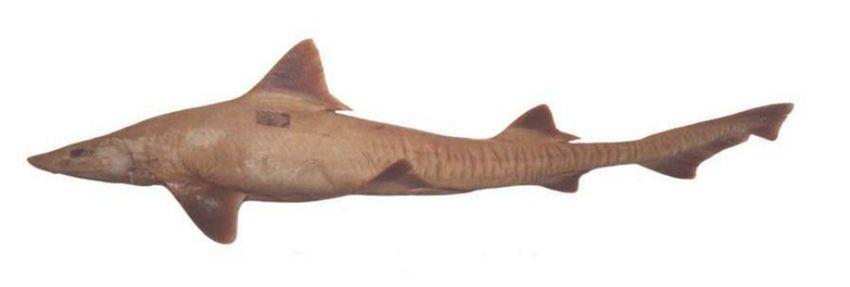
Dusky Smooth-Hound Overview
The Dusky Smooth-Hound (Mustelus canis) belongs to the family Triakidae and order Carcharhiniformes, making it a fascinating ground shark that anglers and marine enthusiasts encounter along the Western Atlantic coast. What makes this shark truly special is its harmless nature and distinctive flat, blunt teeth—a far cry from the razor-sharp teeth most people associate with sharks. Found abundantly in places like North Carolina, Virginia, Massachusetts, and around the Gulf of Mexico, the Dusky Smooth-Hound has become a staple target for both recreational and commercial fishers, with over two million pounds caught annually in U.S. waters alone. Its relatively small, slender body and sluggish swimming behavior near the seafloor make it approachable and manageable for anglers of varying skill levels.
Dusky Smooth-Hound Habitat and Distribution
This species thrives in shallow coastal waters throughout the Western Atlantic, with populations concentrated along the U.S. East Coast from Massachusetts down through Florida, and extending into the Caribbean Sea and Gulf of Mexico. The Dusky Smooth-Hound is a bottom-dweller that prefers depths of less than sixty feet, though it occasionally ventures into deeper waters reaching approximately six hundred feet. You'll find them in various angling habitats including onshore shallows, nearshore channels, offshore reefs, and around wrecks. In places like Chesapeake Bay and the coastal waters of New Jersey and Maryland, these sharks are particularly abundant during warmer months. The species favors sandy and muddy seafloors where they can rest and hunt, often burying themselves partially in sediment while their distinctive spiracles—one behind each eye—allow them to breathe undisturbed.
Dusky Smooth-Hound Size and Weight
On average, the Dusky Smooth-Hound measures around four feet in length, though specimens typically range from 27 to 59 inches with weights between 15 and 27 pounds. The largest recorded individual stretched to fifty-nine inches and tipped the scales at twenty-seven pounds, making this one of the more manageable shark species to handle and reel in. Their relatively modest size is one reason they're so popular among recreational anglers—you don't need heavy-duty tournament gear to land one successfully. The streamlined, elongated body gives them an elegant appearance despite their bottom-feeding lifestyle, and their powerful tail provides surprising speed when hunting or evading predators like larger blacktip and hammerhead sharks.
Dusky Smooth-Hound Diet and Behavior
The Dusky Smooth-Hound is an opportunistic predator and skilled scavenger that feeds primarily on large crustaceans such as lobsters, shrimp, and crabs, though it also consumes small fish and mollusks. What sets this shark apart from its more aggressive cousins is its flat, blunt dentition—perfectly adapted for crushing and grinding hard-shelled prey rather than tearing flesh. While they often swim sluggishly along the seafloor hunting for food, these sharks possess considerable speed when motivated by hunger or threat. They're known to be non-aggressive toward humans and typically avoid confrontation, making them one of the safest sharks to encounter. Their behavior is largely nocturnal and crepuscular, with increased feeding activity during low-light periods. The species shows interesting seasonal patterns, with activity levels rising during warmer months when they migrate into shallower waters.
Dusky Smooth-Hound Spawning and Seasonal Activity
Mating season for the Dusky Smooth-Hound occurs from May through July, marking a period of heightened activity in coastal waters. This species is viviparous, meaning females give birth to live young after a gestation period of approximately ten to eleven months. A single female can produce between four to twenty pups per season, with newborns measuring thirteen to fifteen inches in length—already equipped for bottom-dwelling life. Interestingly, females tend to outlive males significantly, with average lifespans of sixteen years compared to ten years for males. This reproductive cycle and longevity pattern make population management crucial, especially given overfishing pressures that have pushed the species into near-threatened status on the IUCN Red List. Spring and early summer represent peak activity periods for anglers seeking this species, as feeding intensity increases ahead of mating.
Dusky Smooth-Hound Techniques for Observation and Capture
Rod and Reel Setup: Catching a Dusky Smooth-Hound doesn't require specialized shark fishing equipment—a standard medium to medium-heavy rod and reel suitable for saltwater use will suffice. The key is ensuring your gear is robust enough to handle repeated casts and steady retrieves without complaint. Use a 30-pound monofilament line or braided line with two sinkers to keep your bait positioned near the seafloor where these bottom-feeders operate. The setup should allow for natural bait presentation in shallow to moderate depths.
Bait Selection and Presentation: Fresh strips of mackerel, herring, and squid represent the most effective baits, though crabs, ragworms, shellfish, and prawns work well when preferred options aren't available. Deploy your bait on or very close to the bottom, allowing the natural scents to disperse into the surrounding water. The Dusky Smooth-Hound relies heavily on its keen sense of smell to locate food, so don't skimp on bait quality or freshness. Around the coastal waters of North Carolina and Virginia, anglers consistently report success with squid strips during evening hours when feeding intensity peaks.
Location and Timing: Focus your efforts on nearshore and onshore zones during spring and summer months when water temperatures rise and populations concentrate in shallower waters. Dawn and dusk provide optimal conditions, as the species becomes more active during low-light periods. Structure like reefs and wrecks concentrates prey species, which in turn attracts hunting sharks. Patience and consistent bottom-fishing technique will yield results more reliably than aggressive, active retrieves.
Dusky Smooth-Hound Culinary and Utilization Notes
The Dusky Smooth-Hound holds moderate culinary value in certain markets. In the United Kingdom, the meat is commonly served as a lower-quality fish and chips option, providing an accessible protein source. Commercial fisheries in the U.S., particularly those based in North Carolina, Virginia, Maryland, New Jersey, and Massachusetts, process caught specimens for both domestic and international markets, with much of the catch exported overseas. While nutritionally sound, the meat is not considered premium fare among seafood enthusiasts. Given the species' near-threatened conservation status, recreational anglers should verify local regulations before keeping any specimens, as many jurisdictions now require catch-and-release protocols or have implemented strict quotas to support population recovery.
Dusky Smooth-Hound Frequently Asked Questions
Q: What is the best bait for catching Dusky Smooth-Hounds?
A: Fresh mackerel, herring, and squid strips are your top choices, but crabs, ragworms, shellfish, and prawns also work effectively. The key is presenting fresh bait directly on or very near the seafloor where these bottom-feeders hunt.
Q: Where can I find Dusky Smooth-Hounds near North Carolina?
A: Coastal waters from the Outer Banks through the sounds offer excellent opportunities, particularly in nearshore and onshore zones during spring and summer. Focus on sandy and muddy bottom areas in depths under sixty feet, and don't overlook deeper offshore structures where populations also congregate.
Q: Is the Dusky Smooth-Hound good to eat?
A: The meat has average culinary qualities and is commonly used for fish and chips in the UK market. While edible and nutritious, it's not considered premium eating. Always check local regulations before keeping any specimens, as conservation efforts may restrict harvest.
Q: When is the best time to catch Dusky Smooth-Hounds?
A: May through September offers peak opportunities, with activity levels highest during mating season (May-July). Fish during dawn, dusk, and nighttime hours when feeding intensity peaks, and target shallow coastal waters as they concentrate during warmer months.
Q: Are Dusky Smooth-Hounds dangerous to humans?
A: No, these sharks are considered completely harmless to humans. Their small size, blunt teeth, and non-aggressive temperament make them one of the safest shark species to encounter. They typically avoid confrontation and pose no threat to swimmers or divers.
Q: What conservation status does the Dusky Smooth-Hound have?
A: The species is currently listed as near-threatened by the IUCN Red List due to overfishing pressures. Commercial operations catch over two million pounds annually in U.S. waters, prompting fishing regulations and catch restrictions designed to support population recovery.