Dogfish and Smooth-Hound Fishing NYC Waters
NYC Shark Fishing - Local Species & What to Expect

Fishing Charter by Captain Tom Lacognata in September


- New York City Inshore & Light Tackle Fishing


Summary
Join a fishing charter in New York City on Wednesday, September with Captain Tom Lacognata of Rockaway Fishing Charters. This productive session showcases the diverse shark species thriving in local waters, including prized dogfish and dusky smooth-hounds that demonstrate the rich marine ecosystem waiting offshore.
Fishing Charter with Captain Tom Lacognata - Rates & Booking
Captain Tom Lacognata of Rockaway Fishing Charters led this successful fishing charter in New York City on Wednesday, September 9th. This experience showcases the exceptional shark fishing opportunities available in NYC's coastal waters, where both dogfish and smooth-hound species respond consistently to proper technique and local knowledge.
To book your fishing charter or inquire about current rates, availability, and group sizes, contact Rockaway Fishing Charters directly. Captain Tom brings years of hands-on experience reading local water conditions and locating productive grounds where these species congregate.
Highlights of NYC Shark Fishing
New York City waters offer surprising depth and diversity for shark fishing. The presence of both picked dogfish and dusky smooth-hounds in a single outing reflects the region's robust elasmobranch population. These species provide consistent action and represent legitimate gamefish that test your skills and equipment throughout the day.
The offshore environment around NYC supports established shark populations year-round, with seasonal patterns that create predictable fishing windows. The charter experience combines the technical challenge of locating and presenting baits effectively with the satisfaction of landing these powerful predators.
Local Species Insights: Picked Dogfish and Dusky Smooth-Hound
Picked dogfish and dusky smooth-hounds are resident species in New York's coastal ecosystem, and understanding their behavior elevates your fishing success. These sharks occupy middle depths and respond to fresh bait presentations near structure and current breaks. Both species possess keen sensory systems that allow them to locate bait from considerable distances, making scent dispersal a critical factor in your strategy.
Picked dogfish inhabit deeper portions of the continental shelf and are known for their aggressive feeding response. They typically occupy cooler water columns and concentrate along thermal transitions. On the water, you'll recognize them by their distinctive coloring and the characteristic pace of their runs and head shakes during the fight.
Dusky smooth-hounds prefer slightly shallower grounds and demonstrate more predictable behavior patterns. These sharks school occasionally and respond well to consistent chumming and bait presentation. Their size range and fighting capability make them excellent targets for anglers developing shark fishing skills. The smooth-hound's tactics differ slightly from dogfish, requiring adjusted presentations and patience.
Both species thrive in NYC's dynamic marine environment, which cycles through seasonal temperature changes, tidal influences, and nutrient-rich upwellings. These environmental factors concentrate food sources and attract sharks predictably. Captain Tom's local expertise allows him to interpret these patterns and position clients where opportunities emerge consistently throughout the charter day.
The presence of both species in productive numbers demonstrates the recovery and stability of the regional shark population. These are legitimate targets that deserve respect, proper equipment, and experienced guidance. Each fish tells a story about the offshore ecosystem and the management efforts that have restored these populations to healthy levels.
Fishing in New York City: Dusky Smooth-Hound and Picked Dogfish
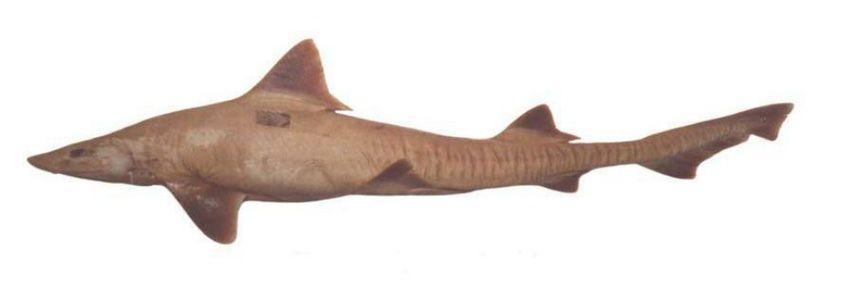
Dusky Smooth-Hound Overview
The Dusky Smooth-Hound (Mustelus canis) belongs to the family Triakidae and order Carcharhiniformes, making it a fascinating ground shark that anglers and marine enthusiasts encounter along the Western Atlantic coast. What makes this shark truly special is its harmless nature and distinctive flat, blunt teeth—a far cry from the razor-sharp teeth most people associate with sharks. Found abundantly in places like North Carolina, Virginia, Massachusetts, and around the Gulf of Mexico, the Dusky Smooth-Hound has become a staple target for both recreational and commercial fishers, with over two million pounds caught annually in U.S. waters alone. Its relatively small, slender body and sluggish swimming behavior near the seafloor make it approachable and manageable for anglers of varying skill levels.
Dusky Smooth-Hound Habitat and Distribution
This species thrives in shallow coastal waters throughout the Western Atlantic, with populations concentrated along the U.S. East Coast from Massachusetts down through Florida, and extending into the Caribbean Sea and Gulf of Mexico. The Dusky Smooth-Hound is a bottom-dweller that prefers depths of less than sixty feet, though it occasionally ventures into deeper waters reaching approximately six hundred feet. You'll find them in various angling habitats including onshore shallows, nearshore channels, offshore reefs, and around wrecks. In places like Chesapeake Bay and the coastal waters of New Jersey and Maryland, these sharks are particularly abundant during warmer months. The species favors sandy and muddy seafloors where they can rest and hunt, often burying themselves partially in sediment while their distinctive spiracles—one behind each eye—allow them to breathe undisturbed.
Dusky Smooth-Hound Size and Weight
On average, the Dusky Smooth-Hound measures around four feet in length, though specimens typically range from 27 to 59 inches with weights between 15 and 27 pounds. The largest recorded individual stretched to fifty-nine inches and tipped the scales at twenty-seven pounds, making this one of the more manageable shark species to handle and reel in. Their relatively modest size is one reason they're so popular among recreational anglers—you don't need heavy-duty tournament gear to land one successfully. The streamlined, elongated body gives them an elegant appearance despite their bottom-feeding lifestyle, and their powerful tail provides surprising speed when hunting or evading predators like larger blacktip and hammerhead sharks.
Dusky Smooth-Hound Diet and Behavior
The Dusky Smooth-Hound is an opportunistic predator and skilled scavenger that feeds primarily on large crustaceans such as lobsters, shrimp, and crabs, though it also consumes small fish and mollusks. What sets this shark apart from its more aggressive cousins is its flat, blunt dentition—perfectly adapted for crushing and grinding hard-shelled prey rather than tearing flesh. While they often swim sluggishly along the seafloor hunting for food, these sharks possess considerable speed when motivated by hunger or threat. They're known to be non-aggressive toward humans and typically avoid confrontation, making them one of the safest sharks to encounter. Their behavior is largely nocturnal and crepuscular, with increased feeding activity during low-light periods. The species shows interesting seasonal patterns, with activity levels rising during warmer months when they migrate into shallower waters.
Dusky Smooth-Hound Spawning and Seasonal Activity
Mating season for the Dusky Smooth-Hound occurs from May through July, marking a period of heightened activity in coastal waters. This species is viviparous, meaning females give birth to live young after a gestation period of approximately ten to eleven months. A single female can produce between four to twenty pups per season, with newborns measuring thirteen to fifteen inches in length—already equipped for bottom-dwelling life. Interestingly, females tend to outlive males significantly, with average lifespans of sixteen years compared to ten years for males. This reproductive cycle and longevity pattern make population management crucial, especially given overfishing pressures that have pushed the species into near-threatened status on the IUCN Red List. Spring and early summer represent peak activity periods for anglers seeking this species, as feeding intensity increases ahead of mating.
Dusky Smooth-Hound Techniques for Observation and Capture
Rod and Reel Setup: Catching a Dusky Smooth-Hound doesn't require specialized shark fishing equipment—a standard medium to medium-heavy rod and reel suitable for saltwater use will suffice. The key is ensuring your gear is robust enough to handle repeated casts and steady retrieves without complaint. Use a 30-pound monofilament line or braided line with two sinkers to keep your bait positioned near the seafloor where these bottom-feeders operate. The setup should allow for natural bait presentation in shallow to moderate depths.
Bait Selection and Presentation: Fresh strips of mackerel, herring, and squid represent the most effective baits, though crabs, ragworms, shellfish, and prawns work well when preferred options aren't available. Deploy your bait on or very close to the bottom, allowing the natural scents to disperse into the surrounding water. The Dusky Smooth-Hound relies heavily on its keen sense of smell to locate food, so don't skimp on bait quality or freshness. Around the coastal waters of North Carolina and Virginia, anglers consistently report success with squid strips during evening hours when feeding intensity peaks.
Location and Timing: Focus your efforts on nearshore and onshore zones during spring and summer months when water temperatures rise and populations concentrate in shallower waters. Dawn and dusk provide optimal conditions, as the species becomes more active during low-light periods. Structure like reefs and wrecks concentrates prey species, which in turn attracts hunting sharks. Patience and consistent bottom-fishing technique will yield results more reliably than aggressive, active retrieves.
Dusky Smooth-Hound Culinary and Utilization Notes
The Dusky Smooth-Hound holds moderate culinary value in certain markets. In the United Kingdom, the meat is commonly served as a lower-quality fish and chips option, providing an accessible protein source. Commercial fisheries in the U.S., particularly those based in North Carolina, Virginia, Maryland, New Jersey, and Massachusetts, process caught specimens for both domestic and international markets, with much of the catch exported overseas. While nutritionally sound, the meat is not considered premium fare among seafood enthusiasts. Given the species' near-threatened conservation status, recreational anglers should verify local regulations before keeping any specimens, as many jurisdictions now require catch-and-release protocols or have implemented strict quotas to support population recovery.
Dusky Smooth-Hound Frequently Asked Questions
Q: What is the best bait for catching Dusky Smooth-Hounds?
A: Fresh mackerel, herring, and squid strips are your top choices, but crabs, ragworms, shellfish, and prawns also work effectively. The key is presenting fresh bait directly on or very near the seafloor where these bottom-feeders hunt.
Q: Where can I find Dusky Smooth-Hounds near North Carolina?
A: Coastal waters from the Outer Banks through the sounds offer excellent opportunities, particularly in nearshore and onshore zones during spring and summer. Focus on sandy and muddy bottom areas in depths under sixty feet, and don't overlook deeper offshore structures where populations also congregate.
Q: Is the Dusky Smooth-Hound good to eat?
A: The meat has average culinary qualities and is commonly used for fish and chips in the UK market. While edible and nutritious, it's not considered premium eating. Always check local regulations before keeping any specimens, as conservation efforts may restrict harvest.
Q: When is the best time to catch Dusky Smooth-Hounds?
A: May through September offers peak opportunities, with activity levels highest during mating season (May-July). Fish during dawn, dusk, and nighttime hours when feeding intensity peaks, and target shallow coastal waters as they concentrate during warmer months.
Q: Are Dusky Smooth-Hounds dangerous to humans?
A: No, these sharks are considered completely harmless to humans. Their small size, blunt teeth, and non-aggressive temperament make them one of the safest shark species to encounter. They typically avoid confrontation and pose no threat to swimmers or divers.
Q: What conservation status does the Dusky Smooth-Hound have?
A: The species is currently listed as near-threatened by the IUCN Red List due to overfishing pressures. Commercial operations catch over two million pounds annually in U.S. waters, prompting fishing regulations and catch restrictions designed to support population recovery.
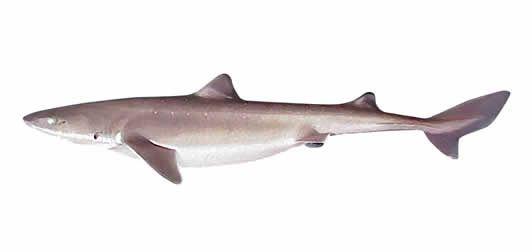
Picked Dogfish Overview
The Picked Dogfish (Squalus acanthias) is a fascinating member of the Squalidae family within the order Squaliformes, and it represents one of the most abundant shark species worldwide despite its modest size. This remarkable saltwater shark earned its name from the distinctive pair of venomous spines positioned along its dorsal fins—a defensive weapon it deploys with surprising aggression when threatened. Anglers and marine enthusiasts have long been captivated by this feisty little shark, which has become a staple of coastal fishing experiences in places like Southern California and throughout the North Atlantic and North Pacific waters. What makes the Picked Dogfish truly special is its combination of scrappy fighting ability, accessibility to shore-based anglers, and its intriguing behavioral characteristics that make every encounter memorable.
Picked Dogfish Habitat and Distribution
The Picked Dogfish thrives across subarctic and temperate regions of the North Pacific and North Atlantic Oceans, with particularly abundant populations in Southern California waters, especially throughout Ventura County and LA County. These sharks have been documented from Labrador and Nova Scotia down through the Atlantic coast to Cape Hatteras, and they maintain a strong presence along the Pacific coast. They prefer temperate waters ranging from 54°F to 59°F and typically inhabit the seafloor in depths between 160 and 490 feet, though some populations have been recorded at depths exceeding 2,300 feet. You'll find these bottom-dwelling sharks in both inshore and offshore environments, often congregating in sandy flats, along beaches, and in rocky bottom habitats where their prey is abundant. Their widespread distribution and preference for cooler waters make them accessible to anglers across multiple coastal regions and seasons.
Picked Dogfish Size and Weight
Picked Dogfish display interesting sexual dimorphism when it comes to size and maturity. Typical specimens range from 30 to 37 inches in length, with maximum weights reaching approximately 16 pounds. However, the species exhibits notable differences between sexes: males mature at around 11 years of age when they measure between 31 to 39 inches, while females take considerably longer to reach maturity—typically 18 to 21 years of age—at which point they measure 39 to 63 inches. This significant size difference and delayed female maturity are important considerations for conservation, as they indicate a slow reproductive cycle relative to other fish species. Anglers targeting these sharks should prepare for nimble fighters that punch above their weight class in terms of strength and determination.
Picked Dogfish Diet and Behavior
Don't let their compact size fool you—Picked Dogfish are remarkably aggressive hunters with sophisticated palates. These opportunistic predators feed voraciously on shrimp, sea cucumbers, jellyfish, crabs, fish, squid, and a variety of invertebrates, making them prolific and efficient consumers within their marine ecosystems. They often hunt in schools, which is both a blessing and a challenge for anglers: while schooling behavior means that if you locate one, others are likely nearby, their collective feeding frenzy can strip bait from lines with impressive speed. The species displays a fascinating defensive behavior—when captured or threatened, they arch their backs to wound their captors with the venomous spines positioned near their dorsal fins, adding an element of excitement (and caution) to any engagement. Male Picked Dogfish possess specialized pelvic fins called claspers that function as sperm-transfer organs, enabling internal fertilization—a reproductive adaptation shared with other sharks and rays.
Picked Dogfish Spawning or Seasonal Activity
The peak season for encountering and catching Picked Dogfish is October, when these sharks become particularly active and accessible to anglers working piers and surflines. The species exhibits extended reproductive cycles relative to most fish, with females carrying pups internally for extended gestation periods before giving live birth. With an average lifespan ranging from 35 to 54 years, these sharks represent long-lived investments in marine ecosystems, though their slow reproductive rate makes population management an important conservation consideration. Seasonal water temperature fluctuations drive migration patterns and feeding intensity, so understanding local seasonal trends in your fishing region can significantly improve success rates throughout the year.
Picked Dogfish Techniques for Observation or Capture
Pier and Surfline Fishing: The most accessible method for casual anglers is fishing from piers or working the surflines during the peak October season. These sharks are frequently caught incidentally by anglers targeting other species, but deliberate targeting is equally rewarding. Use a 10-to-20-pound test line with effective rigs such as the Carolina Rig, Fishfinder Rig, Pulley Rig, or Loop Rig. Despite their sharp teeth, wire leaders aren't typically necessary. Cast sardines, perch, smelt, herring, or sand crabs as bait, and be prepared for aggressive strikes and fierce fighting that belies their modest size. Around Southern California coastal areas like Ventura County and LA County, targeting deeper holes and drop-offs during slack tide or incoming water often produces consistent results.
Slidebaiting and Live Bait Presentation: For more experienced anglers, slidebaiting—a technique where live or recently killed baitfish are presented near the seafloor—can be extraordinarily effective. The Picked Dogfish's schooling tendency means that once you hook one, additional strikes often follow quickly. Ghost shrimp, sand crabs, worms, and any small finbait work effectively. The key is maintaining steady bottom contact and employing subtle rod movements to trigger strikes from these responsive predators.
Professional Methods: Commercial operations typically employ sink gillnets and bottom trawlers, which are the primary capture methods due to the species' bottom-dwelling nature and schooling behavior. While recreational anglers won't employ these techniques, understanding them highlights why Picked Dogfish populations remain so abundant despite significant fishing pressure—their tendency to aggregate and their preference for accessible depths make them efficient targets for commercial harvest.
Picked Dogfish Culinary or Utilization Notes
The Picked Dogfish holds considerable value across multiple applications. Historically, it has served as a primary ingredient in budget-conscious shark fin soup preparations and remains popular in various international cuisines where shark meat is consumed. Beyond culinary use, the species serves important roles as a source of nutritious liver oil, produces valuable fertilizer, and has become a standard specimen for educational dissection due to its convenient size, cartilaginous skeletal structure, and reliable availability. Pet food manufacturers also utilize Picked Dogfish, reflecting its consistent supply and palatability. While not typically celebrated as a gourmet fish, the species offers excellent practical value and demonstrates effective resource utilization across multiple industries.
Picked Dogfish Frequently Asked Questions
Q: What is the best bait for catching Picked Dogfish?
A: Sardines are the gold-standard bait for targeting these sharks, though perch, smelt, herring, finbait, sand crabs, worms, and ghost shrimp all produce excellent results. The beauty of Picked Dogfish is their aggressive, opportunistic feeding nature—they eat nearly any available bait presentation, making them accessible to anglers of varying experience levels.
Q: Where can I find Picked Dogfish near Southern California?
A: Picked Dogfish are abundant throughout Southern California's coastal waters, with particularly strong populations in Ventura County and LA County. Fish from piers, jetties, and surflines during the peak October season, focusing on sandy bottom habitats and deeper channels where these bottom-dwellers congregate. Both inshore and offshore waters hold populations, giving you multiple access options.
Q: When is the best time to catch Picked Dogfish?
A: October represents the peak season for Picked Dogfish fishing, though these sharks remain catchable throughout the year in temperate waters. They prefer water temperatures between 54°F to 59°F, so seasonal variations in your local region will influence availability and activity levels. Dawn and dusk periods typically offer increased strike rates.
Q: Why do Picked Dogfish have spines, and are they dangerous?
A: The two venomous spines along the dorsal fins give this species its scientific name acanthias and serve as a defensive mechanism. When captured, these sharks arch their backs to wound their captors with these spines, which secrete mild venom. While not lethal to humans, they warrant respectful handling and careful extraction from fishing lines. Exercise caution when landing or handling these feisty fighters.
Q: How long do Picked Dogfish live?
A: These remarkable sharks enjoy extended lifespans averaging 35 to 54 years in the wild. Combined with their slow reproductive cycle—females don't reach maturity until 18-21 years of age—this demonstrates why sustainable fishing practices remain important for maintaining healthy populations despite their current abundance.
Q: Are Picked Dogfish good to eat?
A: Picked Dogfish have excellent odds for food quality and represent a culinary tradition in many cultures. The meat is utilized in shark fin soup, processed into various food products, and valued for its nutritional liver oil. While not celebrated as premium table fare, they provide practical, accessible protein for anglers and maintain consistent commercial value across multiple industries and applications.